


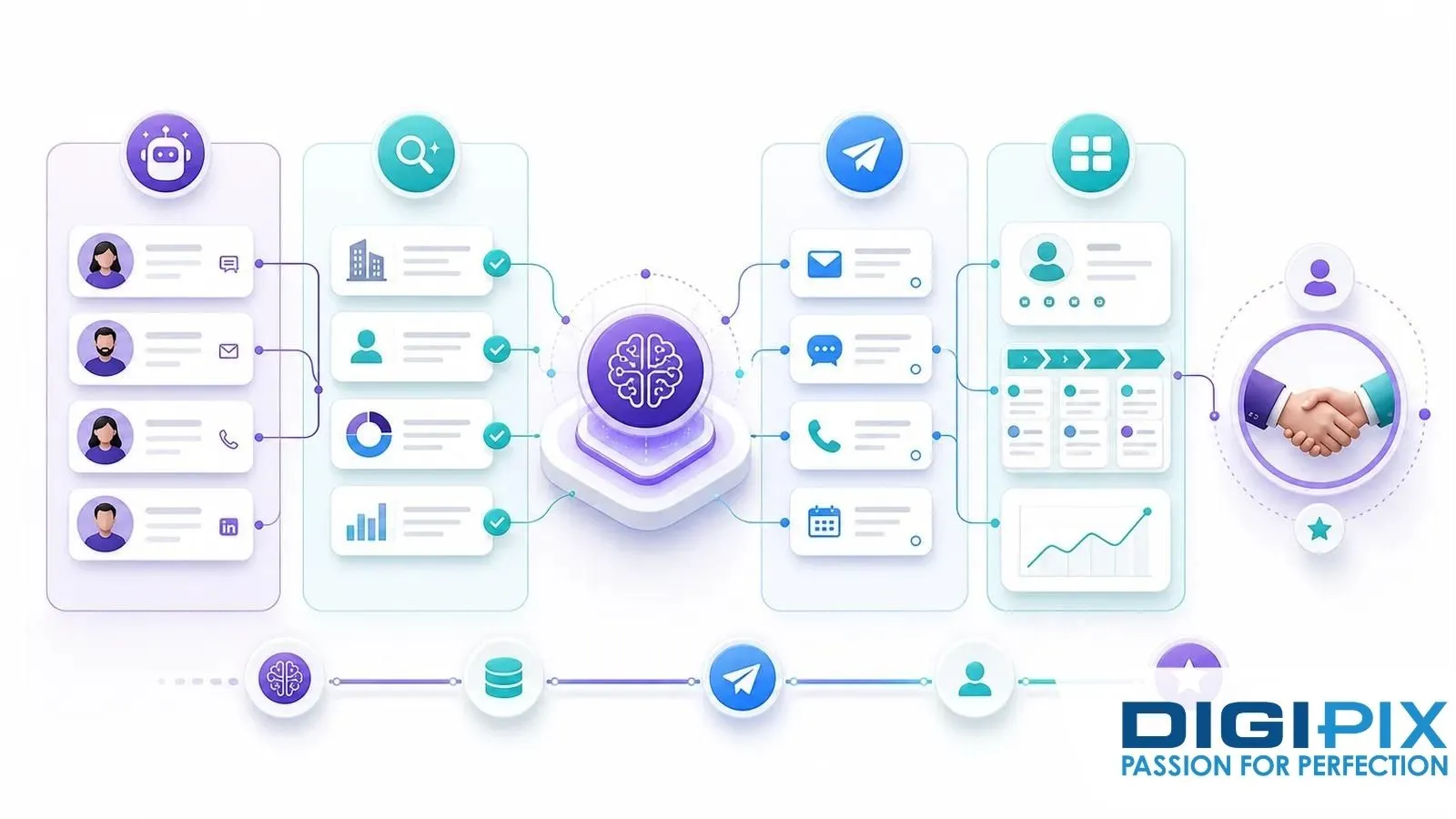
Generating qualified leads is one of the biggest challenges for modern businesses. Finding the right prospects, researching companies, writing personalized messages, following up & keeping customer data organized can take hours every week.
AI is changing that process. With the right tools, businesses can automate repetitive prospecting tasks, identify potential customers faster, personalize outreach & prioritize leads that are more likely to become customers.
But choosing the right AI lead generation software can be challenging. Different platforms are designed for different parts of the process. Some help you find prospects, while others focus on lead enrichment, outreach, website visitors, automation, or SEO.
Here are 11 AI powered tools that can help businesses build a stronger pipeline in 2026.
What Is AI Lead Generation?
AI lead generation software uses artificial intelligence to identify potential customers, analyze prospect information, personalize communication & automate parts of the sales process.
For a broader framework beyond individual platforms, our guide to AI lead generation strategy explains how targeting, qualification, nurturing and measurement work together across the customer journey.
Traditional lead generation often requires marketers or sales teams to manually research prospects and determine who might be interested in their products or services. AI can process large amounts of information much faster and help teams identify promising opportunities.
However, AI does not replace a complete lead generation strategy. Your ideal customer profile, offer, messaging, data quality & follow up process still play an important role in turning prospects into customers.
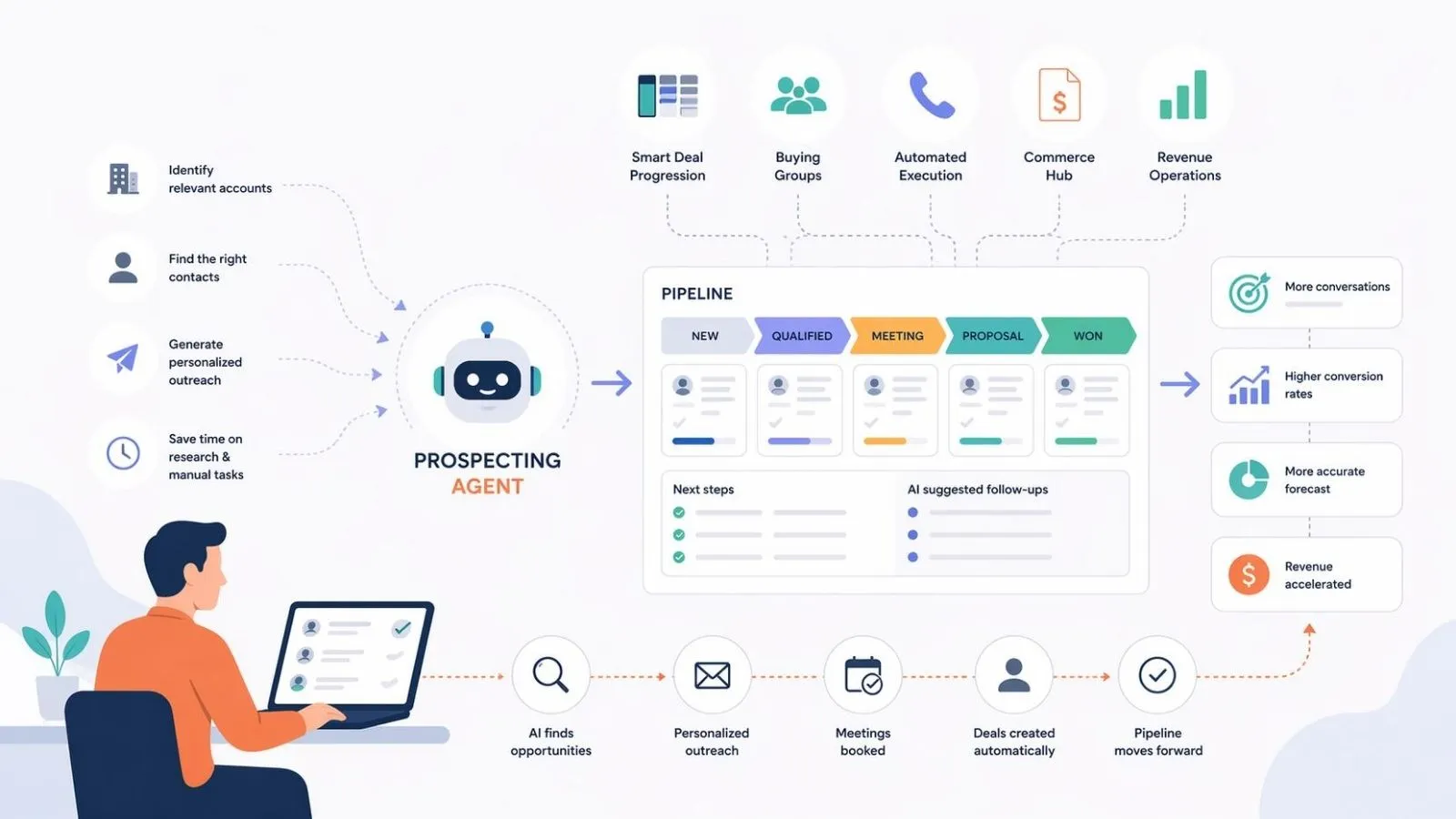
AI lead generation tools can support the entire pipeline from finding & enriching prospects to personalized outreach, qualification & CRM follow up.
1. Apollo
Apollo is an all in one prospecting platform designed to help businesses find potential customers and manage outreach. It combines contact information, company data, prospecting, engagement & sales workflows.
For businesses interested in Ai based lead generation, Apollo can help reduce the time spent researching prospects and building targeted lists. It can be especially useful for B2B teams that need prospect data and outreach capabilities in one place.
2. HubSpot
HubSpot brings CRM, marketing, sales, customer service & automation together. Its AI features can help businesses research prospects, organize customer information, create content & automate different parts of the sales process.
The biggest advantage is the connection between lead generation and CRM management. Instead of keeping prospecting information separate, businesses can organize leads and continue nurturing them through the same system.
3. Clay
Clay is designed for teams that want more advanced prospect research and enrichment. It can combine information from different sources and use AI to research companies, identify relevant prospects & create customized workflows.
This makes Clay useful when basic contact lists are not enough. Businesses with specific ideal customer profiles can use detailed criteria to build more targeted prospecting workflows.
4. ZoomInfo
ZoomInfo is a sales intelligence platform focused on company and contact information. It can help businesses identify potential accounts, understand organizations & find relevant decision-makers.
Its capabilities are particularly useful for larger B2B sales and marketing teams that need extensive business intelligence. The platform can become part of a broader AI for lead generation strategy by helping teams identify and prioritize accounts.
5. 6sense
6sense focuses on identifying buying signals and helping B2B organizations understand which accounts may be entering an active buying cycle.
Instead of treating every prospect the same, businesses can use intent and account-level information to determine which companies deserve more attention. This approach can be particularly valuable for account-based marketing strategies.
6. Instantly
Instantly focuses on sales engagement and email outreach. It helps businesses manage cold email campaigns and automate repetitive outreach activities.
For companies using Ai based lead generation primarily for outbound campaigns, a platform like Instantly can help scale communication. However, successful outreach still depends on accurate targeting, useful messaging, personalization & responsible email practices.
7. Seamless.AI
Seamless.AI focuses on finding contact and company information for sales prospecting. It can help businesses build lists of potential customers based on specific criteria.
The platform can be useful for teams that spend significant time searching for contact information. Before launching an outreach campaign, businesses should still review and validate important prospect data.
8. Cognism
Cognism is a B2B sales intelligence platform that helps businesses find potential customers and access company and contact information.
It can be particularly useful for organizations targeting international markets or running larger outbound sales campaigns. Its prospecting capabilities can support businesses that need more structured data for their lead generation efforts.

Different platforms solve different lead generation problems. The right tool depends on whether your bottleneck is prospect research, contact data, outreach, intent signals or inbound conversion.
9. LeadIQ
LeadIQ helps sales teams capture and organize prospect information during their research process. Instead of manually copying information between different platforms, teams can streamline the process of collecting prospect data.
This can save time for sales representatives who regularly research potential customers and add them to their CRM or outreach workflows.
10. Drift
Drift focuses on conversational marketing and website engagement. It can help businesses interact with website visitors, qualify potential leads & direct promising prospects toward sales conversations.
This makes it particularly useful for inbound strategies. Rather than relying entirely on traditional forms, businesses can use conversational experiences to engage visitors while they are actively exploring their website.
11. Surfer SEO
Not every lead starts with a cold email or prospect database. Many begin with a Google search for a solution to a problem.
Surfer SEO helps marketers create and optimize content for organic search. When combined with strong landing pages, calls to action, forms & useful resources, SEO can become an important part of a long term Ai based lead generation strategy.
Comparing AI Lead Generation Tools
Every business has different requirements, so the best tool depends on the part of your pipeline you want to improve.
|
Tool |
Best For |
Main Use |
|
Apollo |
B2B prospecting |
Prospect data and outreach |
|
HubSpot |
CRM and inbound |
Lead management and automation |
|
Clay |
Prospect research |
AI research and enrichment |
|
ZoomInfo |
Enterprise sales |
Company and contact intelligence |
|
6sense |
Account-based marketing |
Intent and buying signals |
|
Instantly |
Outbound email |
Email campaigns |
|
Seamless.AI |
Contact discovery |
Prospect data |
|
Cognism |
B2B prospecting |
Contact intelligence |
|
LeadIQ |
Sales research |
Lead capture and enrichment |
|
Drift |
Inbound marketing |
Website conversations |
|
Surfer SEO |
Organic acquisition |
SEO and content |
How to Choose the Right AI Lead Generation Software
Start by identifying where your current process is losing the most time or opportunities. If finding prospects is the problem, focus on prospecting and data platforms. If your team struggles with follow-ups, look for automation and outreach capabilities.
Your ideal customer profile should also influence your decision. A tool is only useful when it can help you find the types of businesses or people who are actually likely to become customers.
Integration is another important consideration. Your lead-generation platform should ideally work with your CRM, email system, website & other important marketing tools. A connected workflow makes it easier to move leads from discovery to qualification and eventually to sales.
Finally, consider your budget. Not every company needs an expensive enterprise platform. Smaller businesses can begin with a few focused tools and expand their technology stack as their pipeline grows.
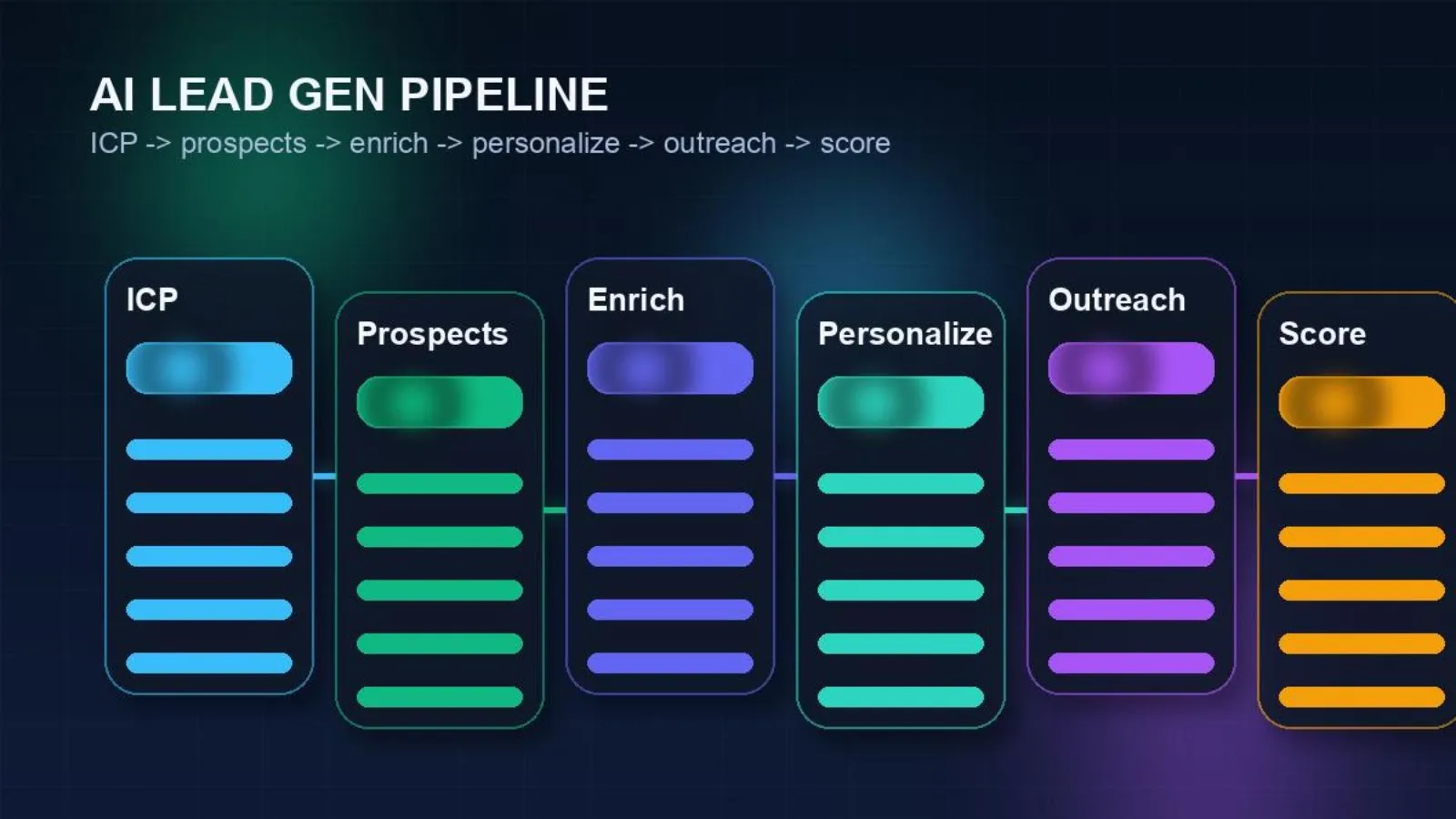
More leads do not automatically mean a stronger pipeline. AI delivers more value when prospect data, targeting & qualification help sales teams focus on better fit opportunities.
How AI Can Improve Lead Generation
Using AI to generate leads is most effective when automation is combined with a clear strategy. AI can help identify prospects, analyze customer information, personalize messages, organize data & automate repetitive tasks.
It can also help sales teams prioritize their time. Instead of treating every contact equally, businesses can use available information to determine which prospects appear to have the strongest fit or highest potential.
The result is a more focused process. Your team spends less time on repetitive research and more time having meaningful conversations with qualified prospects.
Can AI Replace Traditional Lead Generation?
AI is changing traditional lead generation, but it does not make human involvement unnecessary. Sales and marketing teams still need to define the target audience, create valuable offers, understand customer problems & build relationships.
AI works best as an assistant that improves speed and consistency. It can handle repetitive work while people focus on strategy, communication, negotiation & customer relationships.
This balance is important because generating a large number of leads is not the same as generating valuable leads. Quality should always remain a priority.
Final Thoughts
AI lead generation software can help businesses build a more predictable pipeline by reducing manual research, improving prospect targeting & creating faster, more relevant follow up. However, successful results depend on more than automation: businesses need accurate data, a clearly defined target audience, a compelling offer, compliant outreach practices & a sales process that responds quickly when interest is shown. Start with one or two tools that solve the largest gap in your current pipeline, connect them to your CRM, monitor lead quality instead of only lead volume & refine your workflow based on real conversion results. Used this way, AI becomes a practical growth tool rather than another disconnected software subscription.
Build Smarter Lead Generation Solutions With DigiPix AI
The right software is only one part of an effective AI powered pipeline. DigiPix AI can help businesses explore practical applications of AI for marketing, prospecting, automation, content, SEO & customer engagement. Instead of adding disconnected tools without a plan, businesses can build ai lead generation software solutions around their goals, target audience, sales process & existing technology.
FAQs
How long does it take to see results from an AI lead-generation tool?
Results can vary, but initial data and outreach improvements may appear quickly while consistent pipeline growth takes ongoing testing.
Can AI lead tools create duplicate contacts in a CRM?
Yes. Use duplicate detection rules, standardized fields & regular database cleanup to keep records accurate.
Do AI prospecting tools work for local service businesses?
Yes. They can help identify local commercial clients, referral partners, property managers & businesses that match your target market.
What should happen after a lead is generated?
The lead should be assigned, contacted promptly, qualified & moved into an appropriate follow-up sequence.
Can AI tools help improve lead response time?
Yes. Automation can send alerts, assign leads to team members, trigger follow-up tasks & provide immediate initial responses.